SAAS Case Study

From Clear Insights To Uncertain Outcomes

The data revealed where revenue was leaking and what actions the business should take. Yet as those actions were implemented, reality introduced new variables that changed the story. 

This case study shares the lessons learned when clear insights met an uncertain business environment.

business question

A retention analysis (refer case study here) uncovered two significant risks to long-term growth.

The LITE subscription tier showed:

  • High customer churn
  • Low lifetime value
  • Weak conversion into higher-value plans

While customer acquisition numbers appeared healthy, many customers were leaving before generating meaningful value.

This suggested that acquisition quality might be contributing to churn.

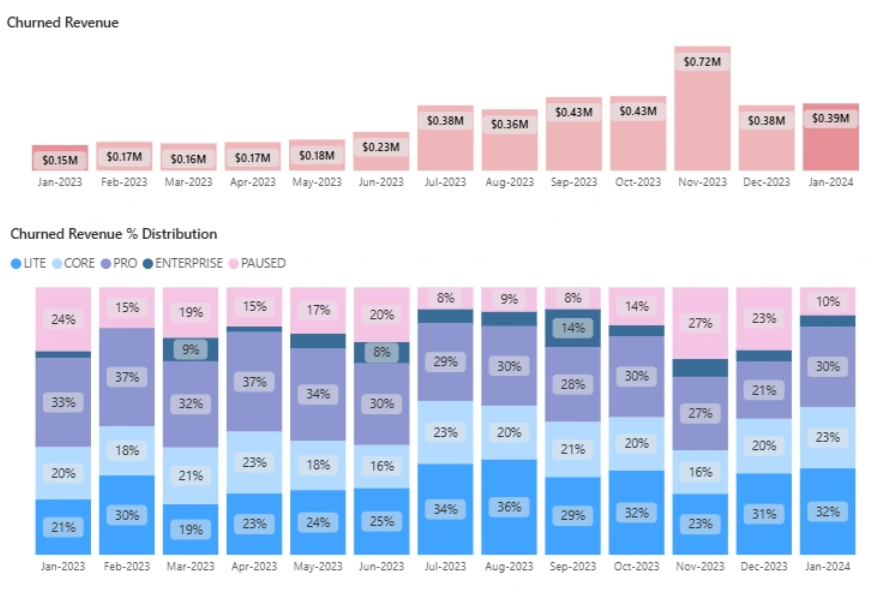
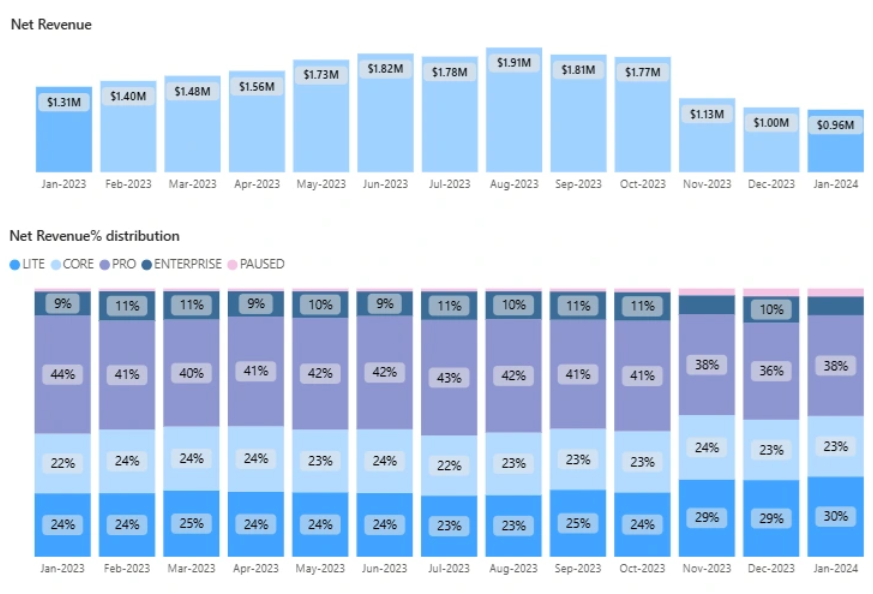
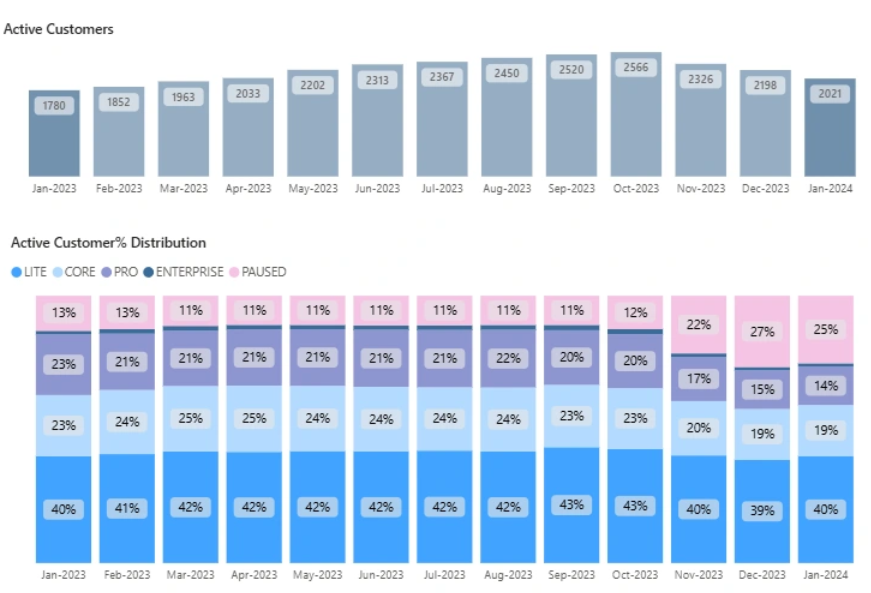
The PRO subscription tier represented approximately 21% of customers but generated nearly 44% of total revenue.

However, these same customers accounted for roughly 45% of churned revenue.

Losing a small number of PRO customers created a disproportionate impact on revenue growth.

The Hypotheses

Customers acquired through more targeted campaigns and stronger qualification criteria would demonstrate higher retention, engagement, and lifetime value than customers acquired through existing acquisition strategies.

Proactive Customer Success engagement would reduce churn among high-value PRO customers.

EXPERIMENT DESIGN

CONTROL GROUP

Customers acquired through the existing marketing strategy.

VARIANT GROUP 

Customers acquired through revised campaigns focused on:

  • Better audience targeting
  • Refined messaging
  • Stronger qualification criteria
  • Clearer value proposition

The objective was not to increase acquisition volume. The objective was to improve customer fit.
CONTROL GROUP

PRO customers continued through the existing customer success process.

VARIANT GROUP

Selected PRO customers received proactive outreach from the Customer Success team.

Conversations focused on:

  • Understanding customer challenges
  • Identifying adoption barriers
  • Gathering product feedback
  • Reinforcing customer value realization
  • Addressing concerns before renewal decisions

The objective was to understand why valuable customers were leaving and intervene earlier.

SUCCESS METRICS

PRIMARY METRIC

  • 90-Day Retention Rate

SECONDARY METRICS 

  • Product activation
  • Product engagement
  • Upgrade rate from LITE to CORE
  • Customer lifetime value

GUARDRAIL METRICS 

  • Cost per acquisition
  • Lead volume
  • Trial-to-paid conversion rate
  • Marketing efficiency

SUCCESS METRICS ...(continued)

PRIMARY METRIC

  • Revenue Churn Rate

SECONDARY METRICS 

  • Renewal rate
  • Product engagement
  • Feature adoption
  • Customer health scores

GUARDRAIL METRICS 

  • Customer Success team capacity
  • Cost per retained customer
  • Customer satisfaction
  • Number of support tickets

ACTIONS

Marketing refined:

  • Audience targeting
  • Customer qualification criteria
  • Campaign messaging
  • Acquisition strategy

The goal shifted from maximizing customer volume to attracting customers more likely to succeed with the product. Success was no longer measured solely by the number of customers acquired, but by the quality and long-term value of those customers.

The Customer Success team began proactive outreach to selected PRO customers.

These conversations focused on:

  • Understanding customer challenges
  • Identifying adoption barriers
  • Gathering product feedback
  • Reinforcing customer value realization
  • Addressing concerns before renewal decisions were made

The objective was to understand why valuable customers were leaving and intervene earlier.

UNEXPECTED CHALLENGE

Before either initiative could be properly evaluated, the business experienced a significant external disruption.

Messaging licenses were revoked, reducing customers’ ability to use a core platform capability.

This created an entirely new business problem.

Customer engagement declined. Platform usage was affected. Revenue performance deteriorated.

The business was now facing multiple simultaneous changes:

  • Improved acquisition targeting
  • Customer Success retention efforts
  • Reduced messaging capability
  • Changing customer behavior

At this point, isolating the impact of any individual intervention became extremely difficult.

Analytics Challenge

From an analytical perspective, this created a classic attribution problem.

If retention improved:

Was it because of better acquisition quality?

Or because of Customer Success outreach?

If retention worsened:

Was it because the interventions failed?

Or because messaging restrictions affected customer value realization?

The data could no longer provide a clean answer.

lessons learnt

See what this could look like for you, practically

If any of these stories felt familiar, we can start small.

You don’t need a big team or a heavy rebuild to get value. We’ll begin with 1–2 questions your business actually needs answered and build only what you’re ready to use.

Free • No obligation • Practical next steps

Add Your Heading Text Here